
TABIBITO / CULINARY
What makes a dish worth traveling for?
A learning journey in Japan for emerging chefs and top-tier culinary students.
Meet dedicated farmers, masters of fermentation, and chefs in Japan. Taste, ask, and create as you explore how people and terroir shape a dish.
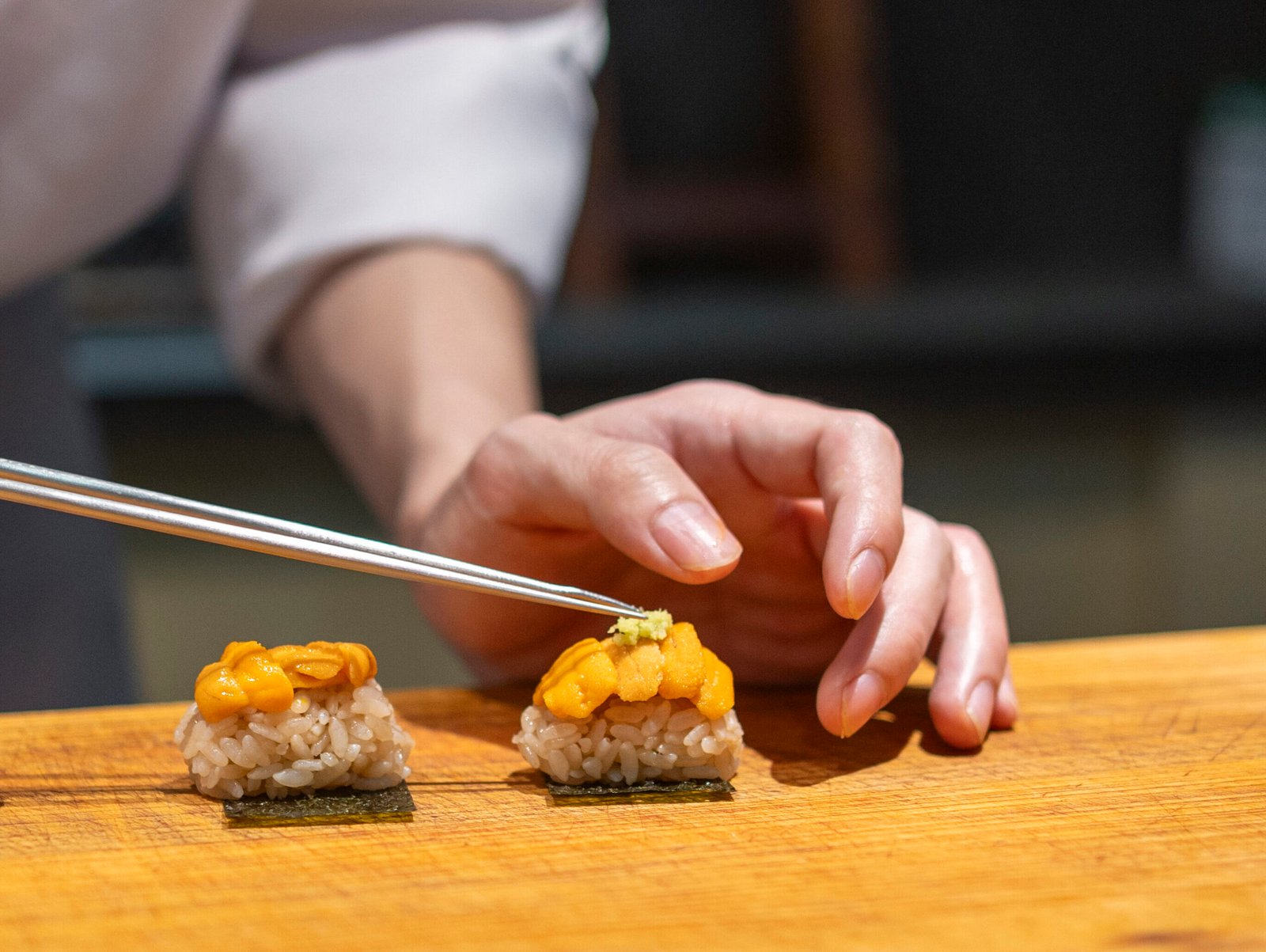
Taste. sense. Explore why.
Farm to table. Weave the story of a place into your dish.
Meet the people, ingredients, and processes that shape a culinary ecosystem. Six ways into Japan’s food culture, connected by what happens in the kitchen.
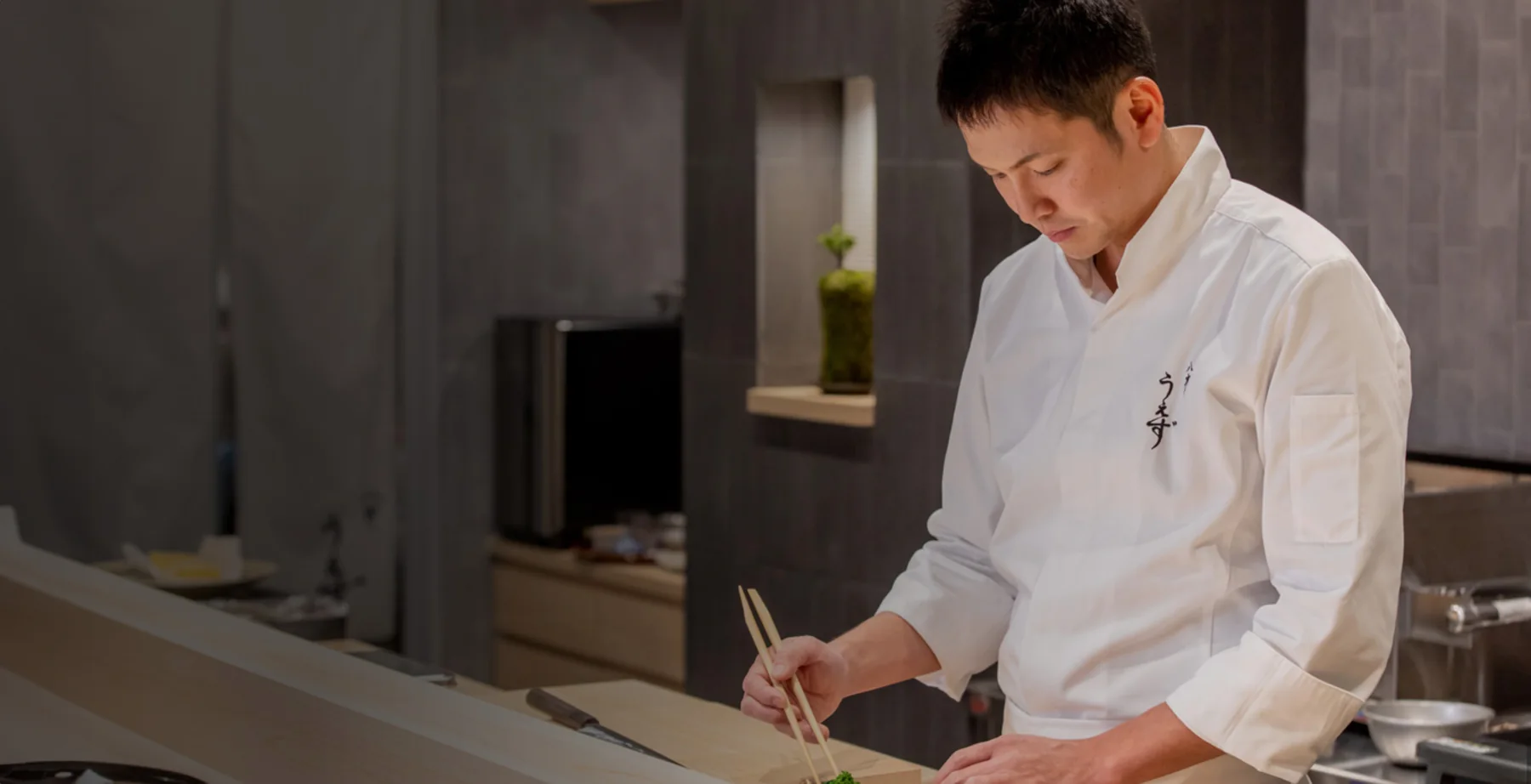
At the chef’s counter
Taste the result, then ask about the choices. Why this ingredient, this cut, this amount of seasoning? Hear how a chef thinks—and notice what you might do differently.
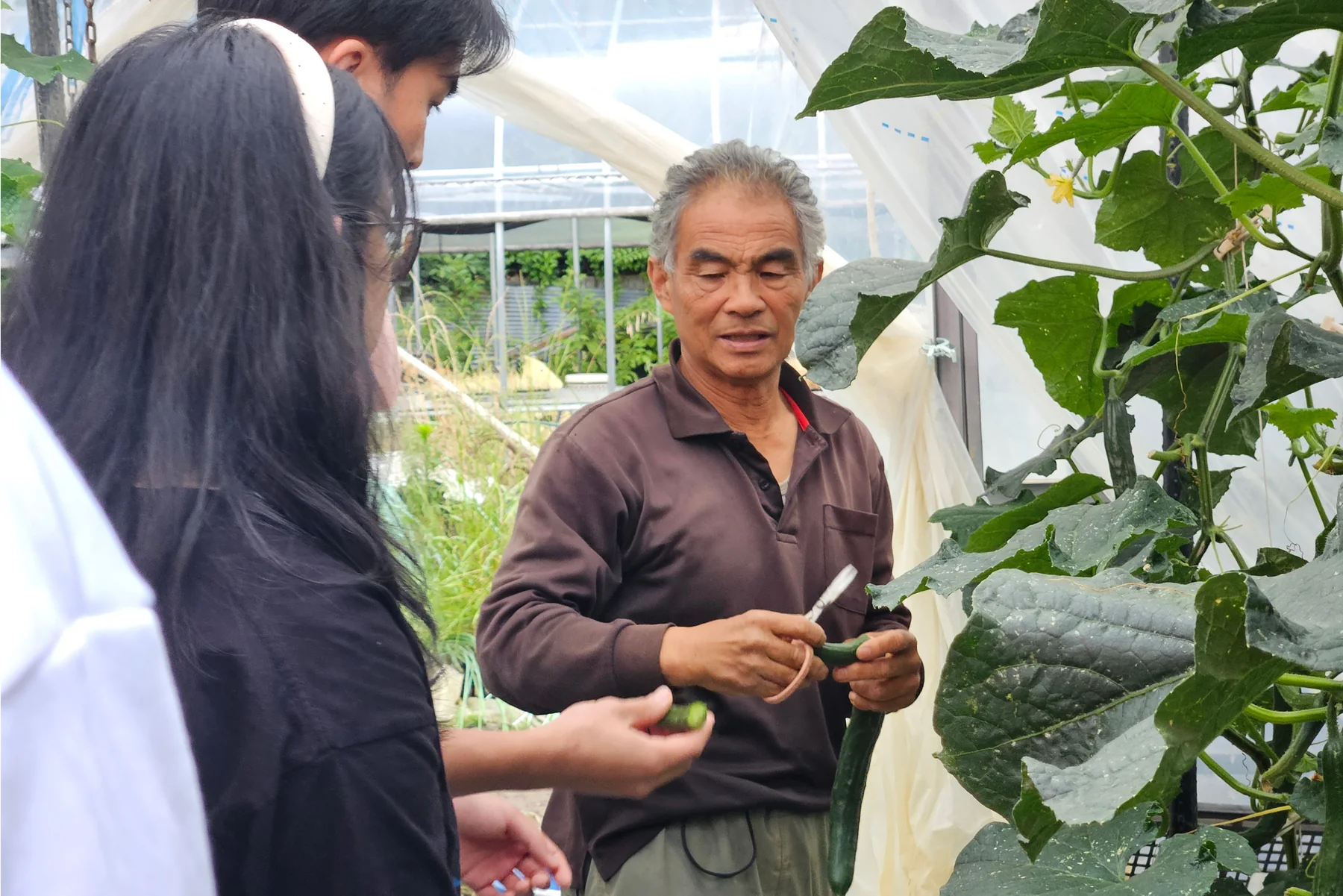
In the grower’s world
Explore how soil, varieties, and harvest timing shape flavor. Meet the people who work with chefs to bring an ingredient to the kitchen at its best.
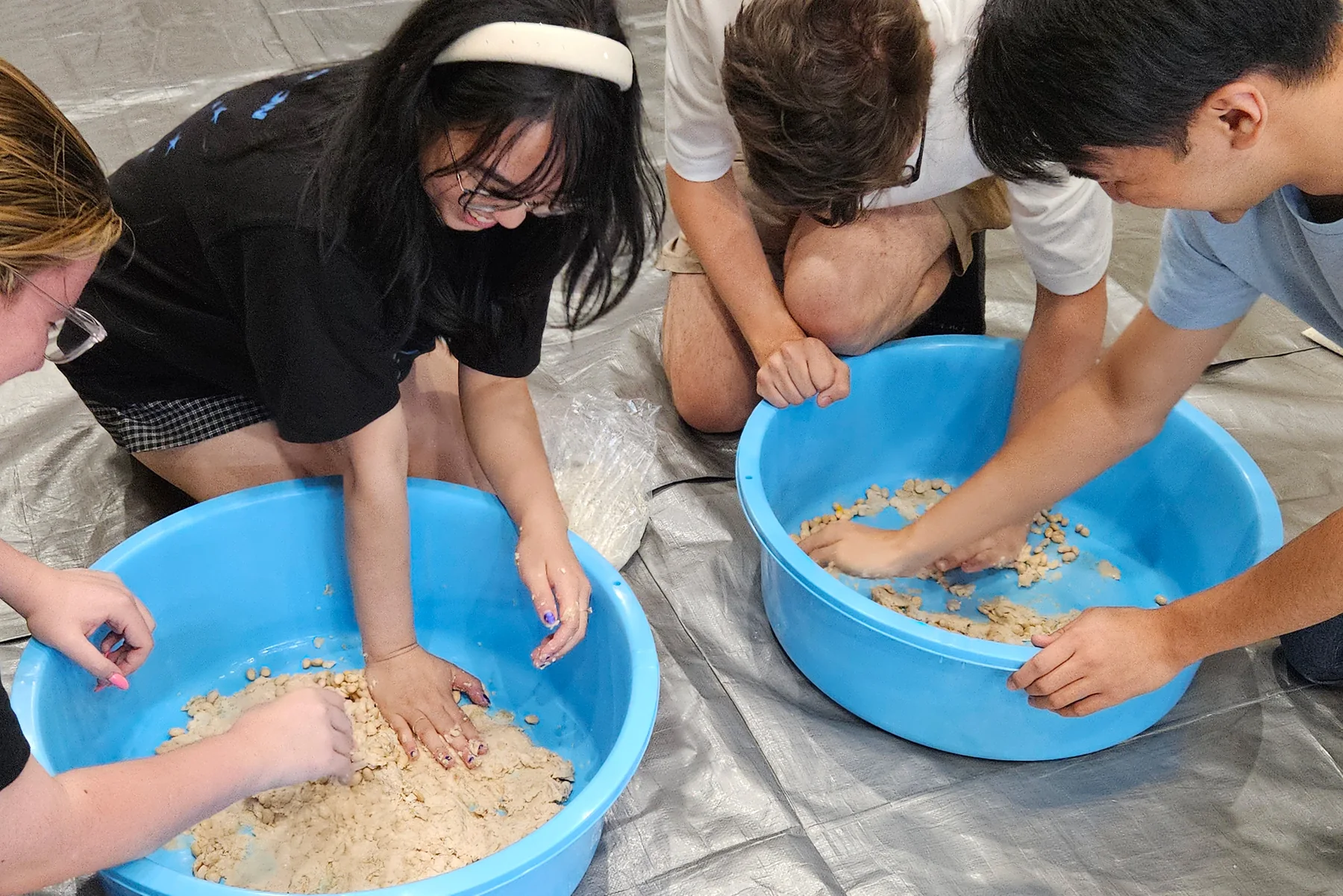
inside Fermentation
Work miso ingredients with your hands. Get to know koji, the cultured grain that helps turn simple ingredients into a fermented seasoning.
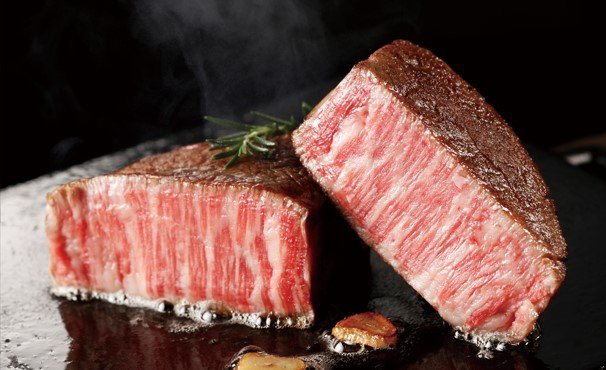
Wagyu
Examine the choices behind beef: breeding, feed, care, and the cut. Consider how those decisions shape texture, flavor, and cooking.
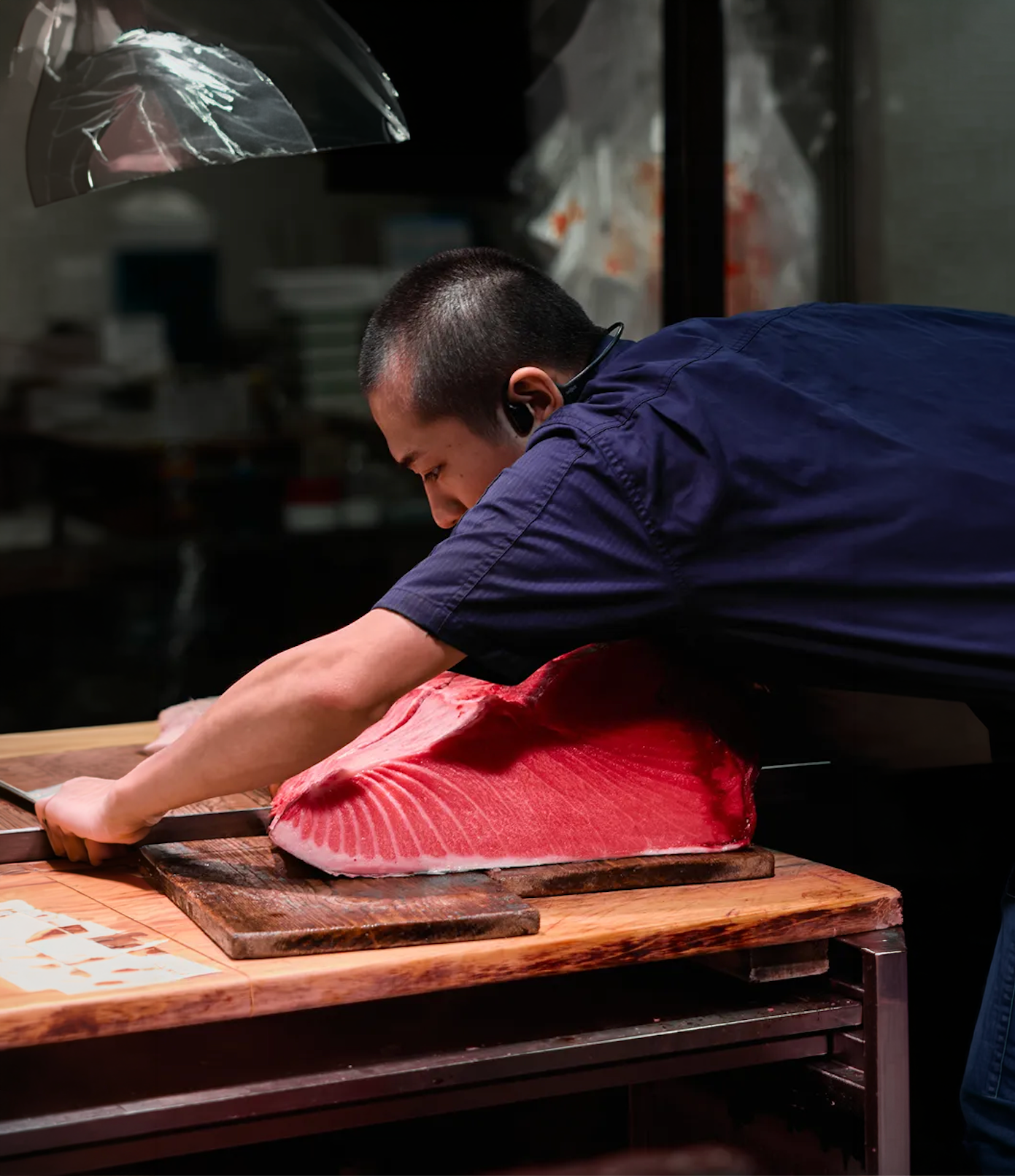
Fish
Follow a fish from water to plate. Explore season, handling, freshness, and the choices that connect producers, markets, and kitchens.
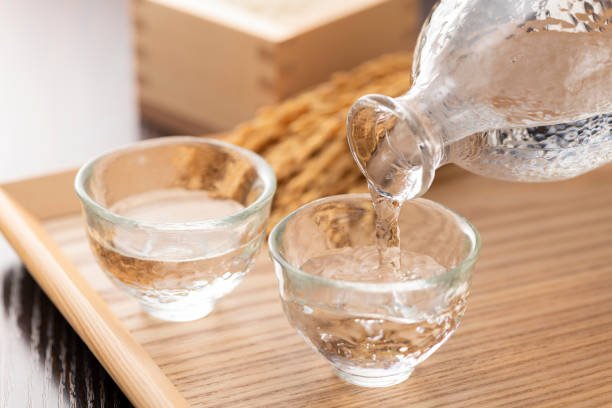
Sake
Discover how rice, water, fermentation, and the brewer’s decisions shape sake. Consider the relationships between place, aroma, and flavor.
CHEFS & PRODUCERS
learn with professionals facing questions for years.
Their kitchens, fields, and workshops bring different ways of thinking into view. Explore the work, hear the reasoning, and bring questions of your own.
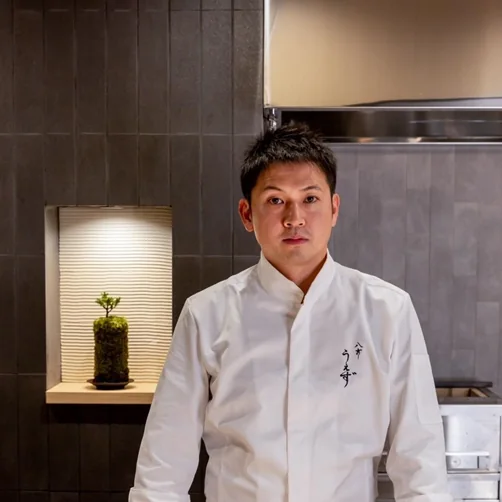
Chef Naoki Uezu
Yakumo Uezu – Tokyo
Uezu trained for 16 years at Kikunoi Tokyo before becoming Head Chef in 2017 and opening Yakumo Uezu in 2021. His kaiseki brings Okinawan heritage into conversation with seasonality and careful attention to each ingredient. His work opens a question for an emerging chef: how much does an ingredient need from you, and when and how should you let it speak for itself?
Explore: ingredient character, seasonality, and culinary judgment.
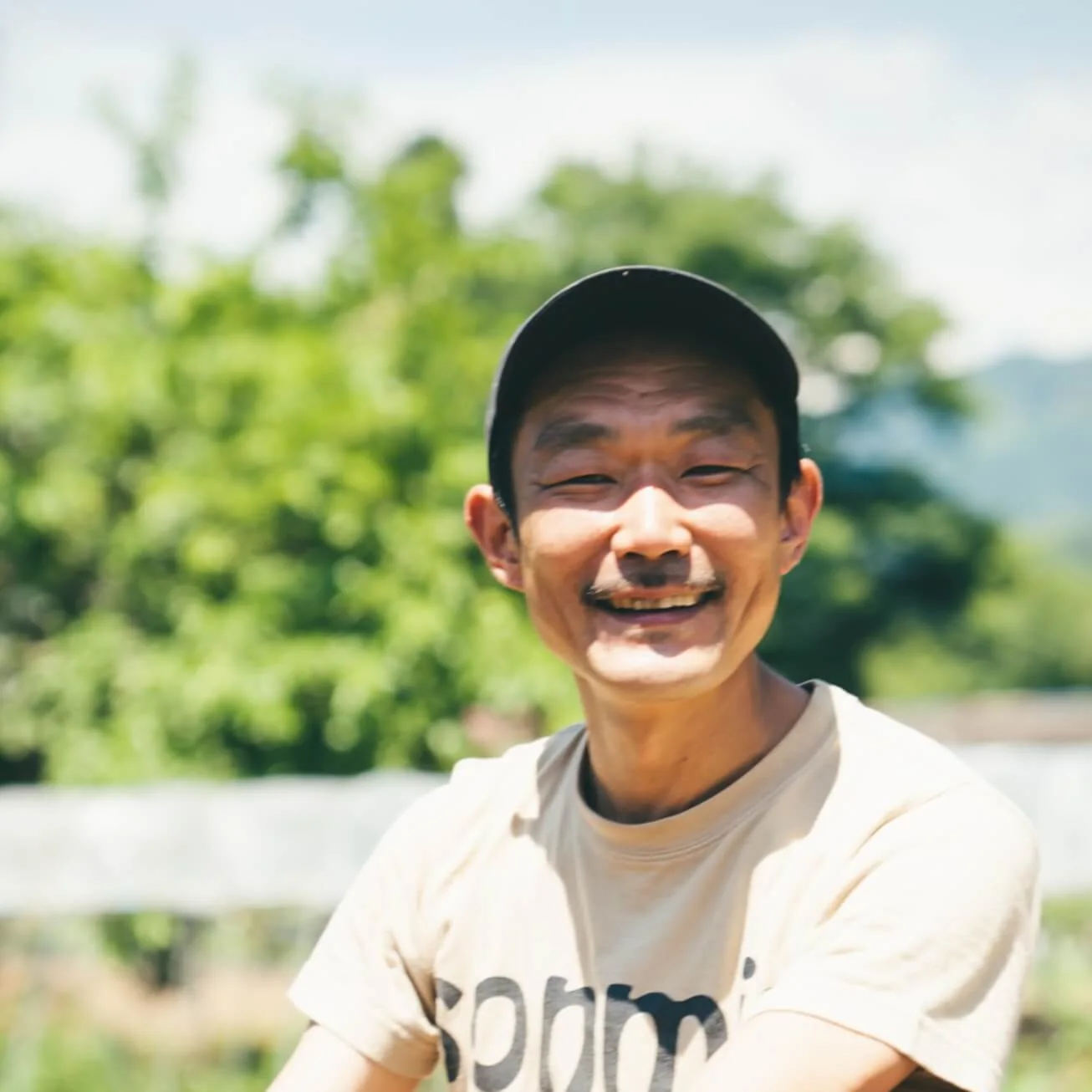
Chef Hiroshi Tsubouchi
Cucina Salve – Saitama
Known as the chef who sows seeds, Tsubouchi grows nearly all the vegetables he uses—more than 150 varieties a year. He chooses varieties and adjusts cultivation methods to achieve the flavors and textures he wants in his Italian dishes. His creative process begins in the field. His restaurant in Chichibu, northwest of Tokyo, has earned two toques in Gault & Millau, the international restaurant guide. For him, farm-to-table is a daily commitment to sustainability, rooted in care for the earth and love for people.
Explore: farm-to-table thinking across culinary traditions.
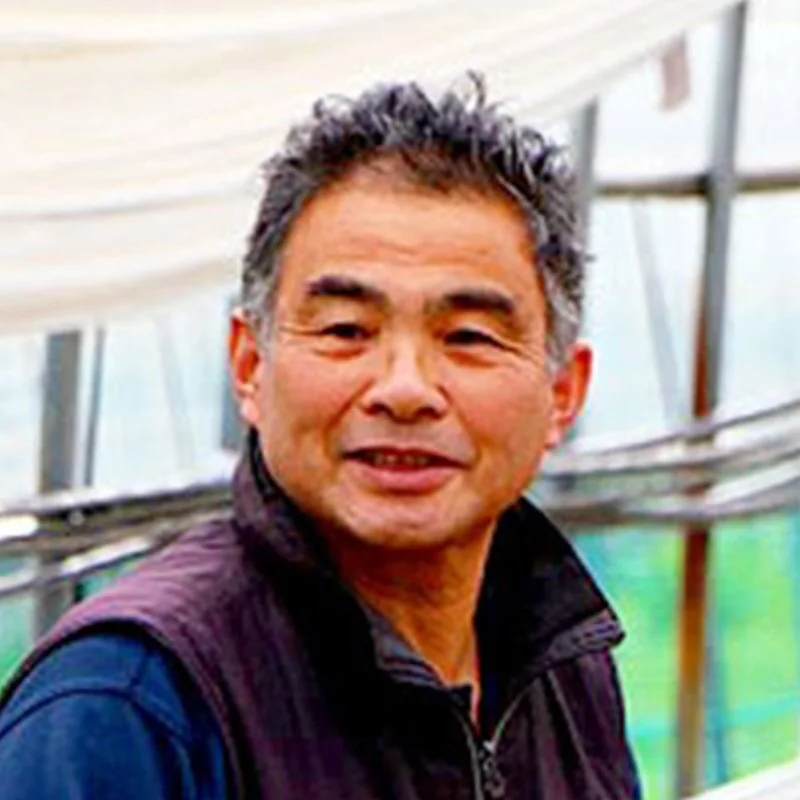
Mr. Masataka Higuchi
Higuchi Farm
A 15th-generation grower, Higuchi works with traditional Kyoto vegetables and seasonal produce at a farm with more than 400 years of history. Soil management, varietal choice, and harvest timing are calibrated with chefs in mind. Students can examine how agricultural decisions become culinary decisions, long before an ingredient reaches a plate.
Explore: Kyoto terroir, cultivation, and the chef-grower relationship.
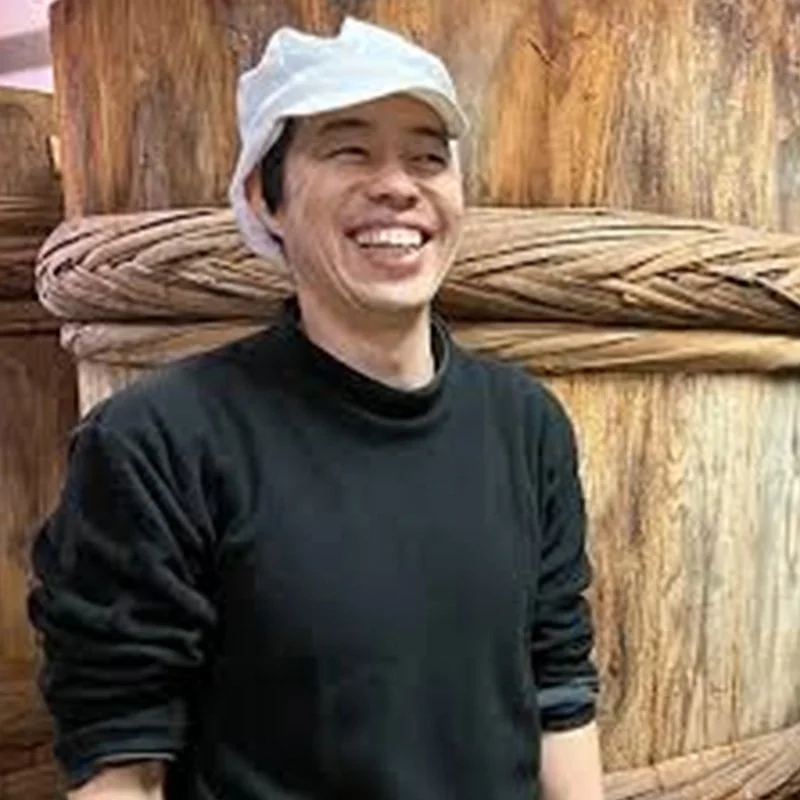
Mr. Masatsugu Kato
Kato Shoten
Founded in 1917, Kato is a fourth-generation miso producer in Kyoto’s Nishijin district. Kato continues tray-koji techniques and natural fermentation in wooden vats while exploring new ingredients and possibilities. His practice invites students to understand fermentation through observation, microbial life, and the decisions of a maker.
Explore: koji, fermentation, time, and experimentation.
TERROIR / A CULINARY ECOSYSTEM
How does a place shape flavor?
Often used in wine, terroir connects a product’s distinctive character to the environment and local ways of growing and making it. Soil, climate, water, seasons, and human practice shape what reaches a kitchen. The chef works within these relationships – interpreting ingredients and giving them expression on the plate.
These are relationships to explore, rather than a fixed supply chain. Encounters and activities vary by program.
REFLECTION INTO PRACTICE
Notice. Reflect. Try again.
Each evening, reflect on what you noticed and why it matters. Use those ideas in what you ask, taste, and try the next day. Over the journey, bring those encounters together in your own culinary expression.
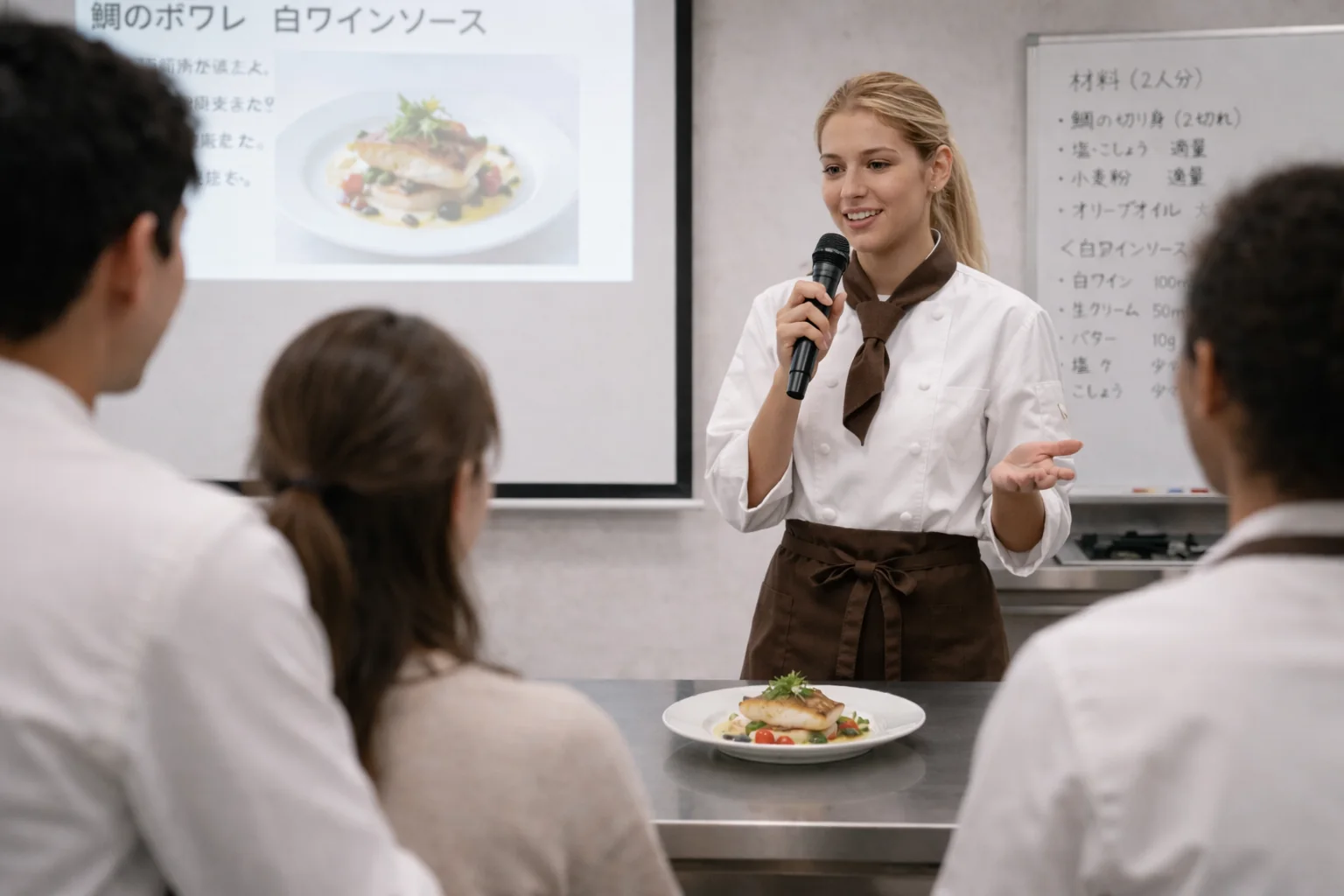
THE FINAL CHALLENGE
A Dish Worth Traveling For
Create a dish shaped by what you’ve encountered. Choose your ingredients, explain your decisions, and share the story behind the plate.
A plate. A reason. Your own expression.
PROGRAM AT A GLANCE
Kyoto & Tokyo
Japan
10 days
Current program overview
English
Facilitated sessions and interpretation
What could this journey bring to your cooking?
Tell us whether you’re joining as an individual or planning a program for your institution.