
FOR EDUCATORS
Japan as a learning environment.
Every TABIBITO program begins with a question – not a checklist of places.
We build learning journeys around people, practices, guided inquiry, and reflection, in conversation with your institution’s learning goals.
three OPEN PATHWAYS
Different questions. Shared attention to learning.
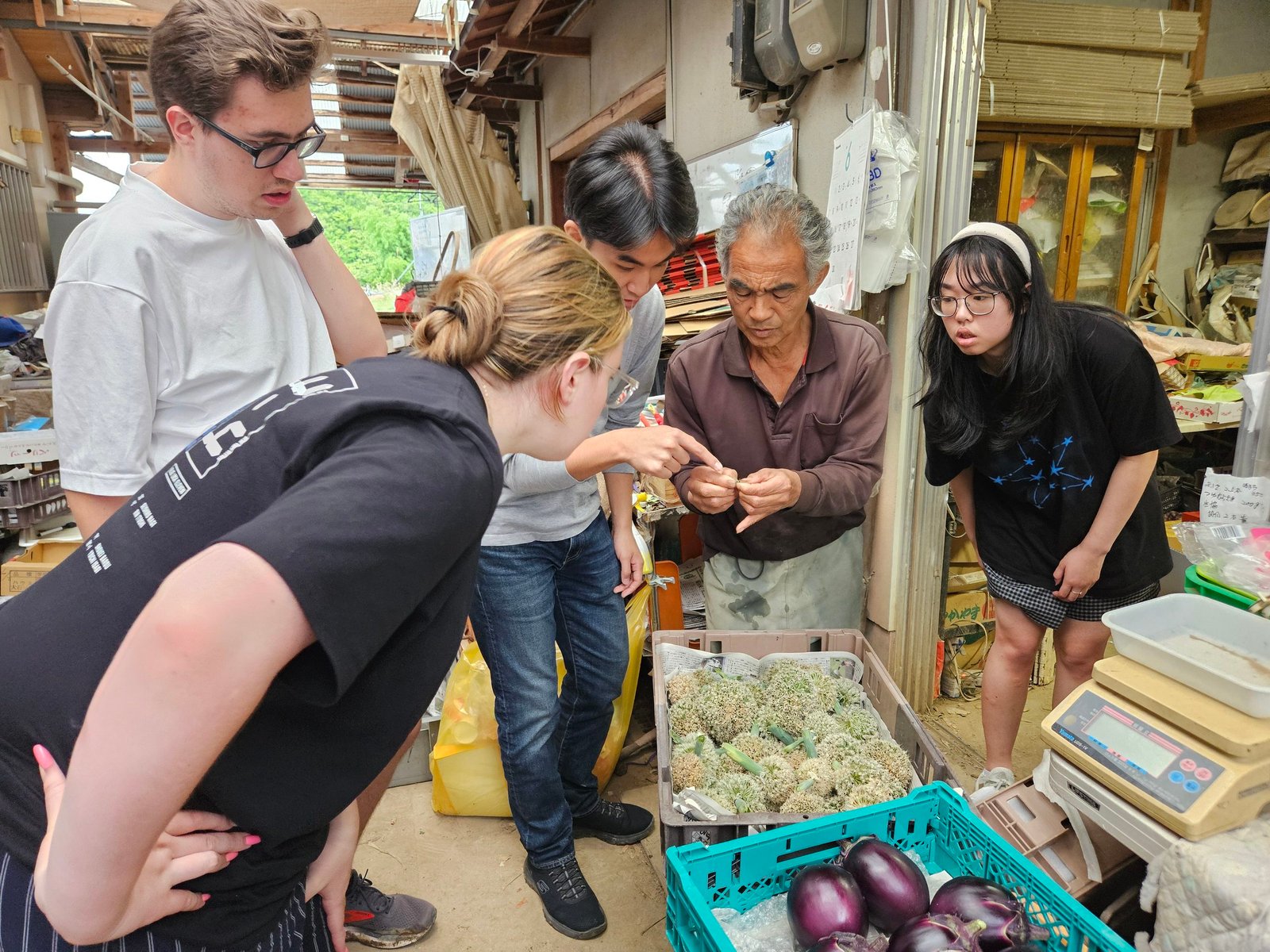
Culinary
Explore ingredients, producers, terroir, and the decisions behind a dish. Bring encounters into culinary practice.
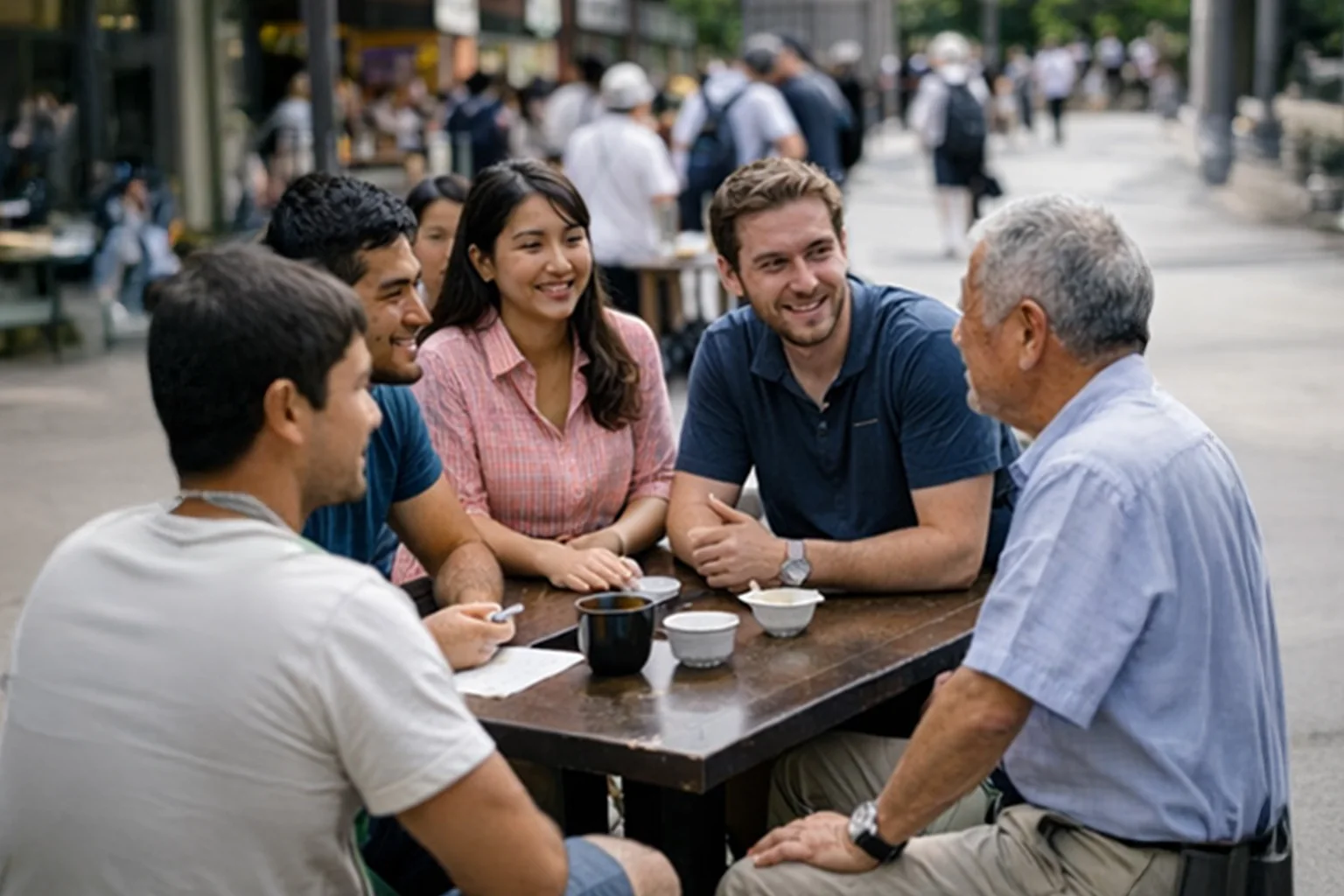
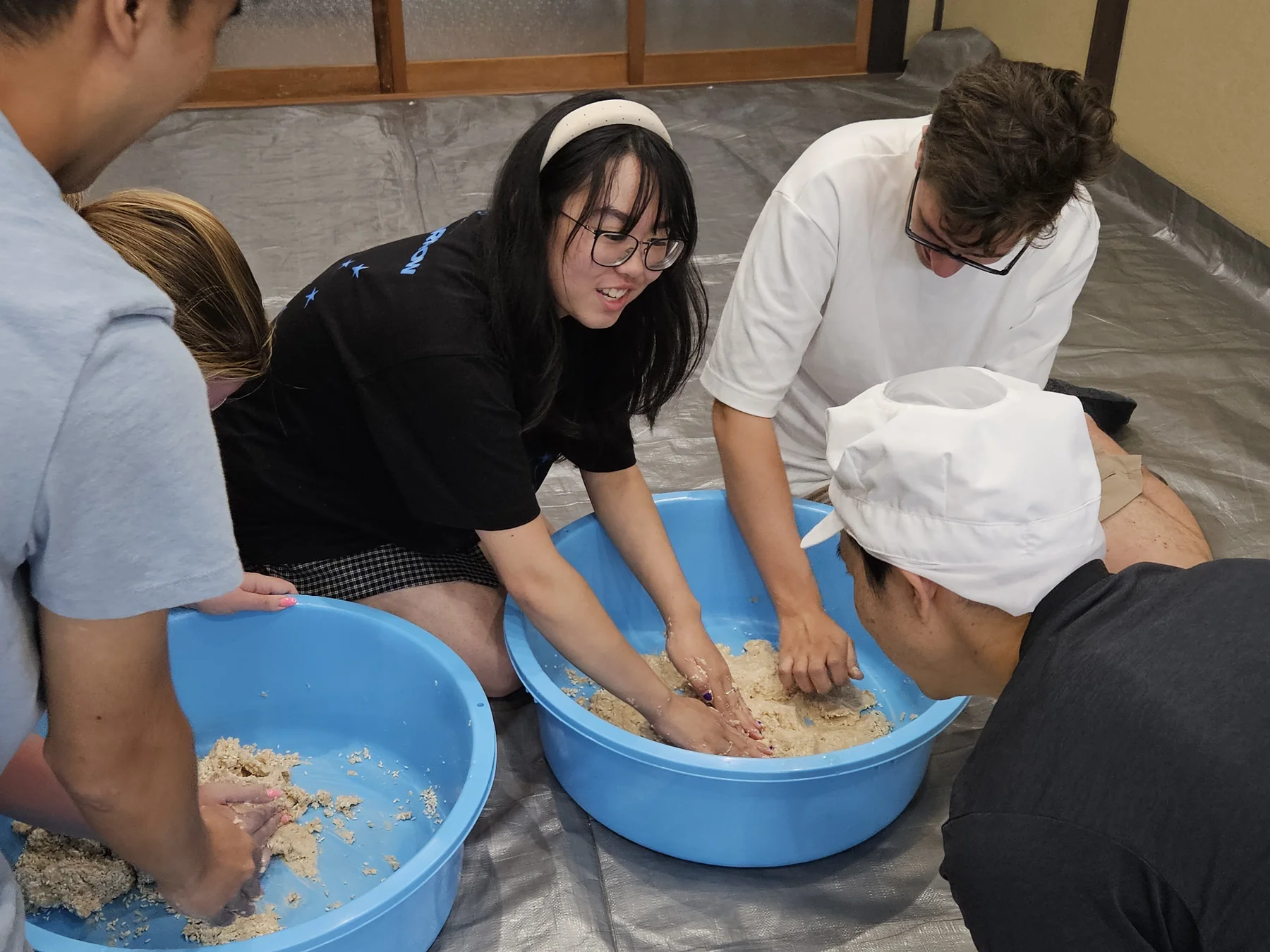
Leadership
Explore interests and perspectives through inquiry, professional dialogue, applied engagement, and learning synthesis.
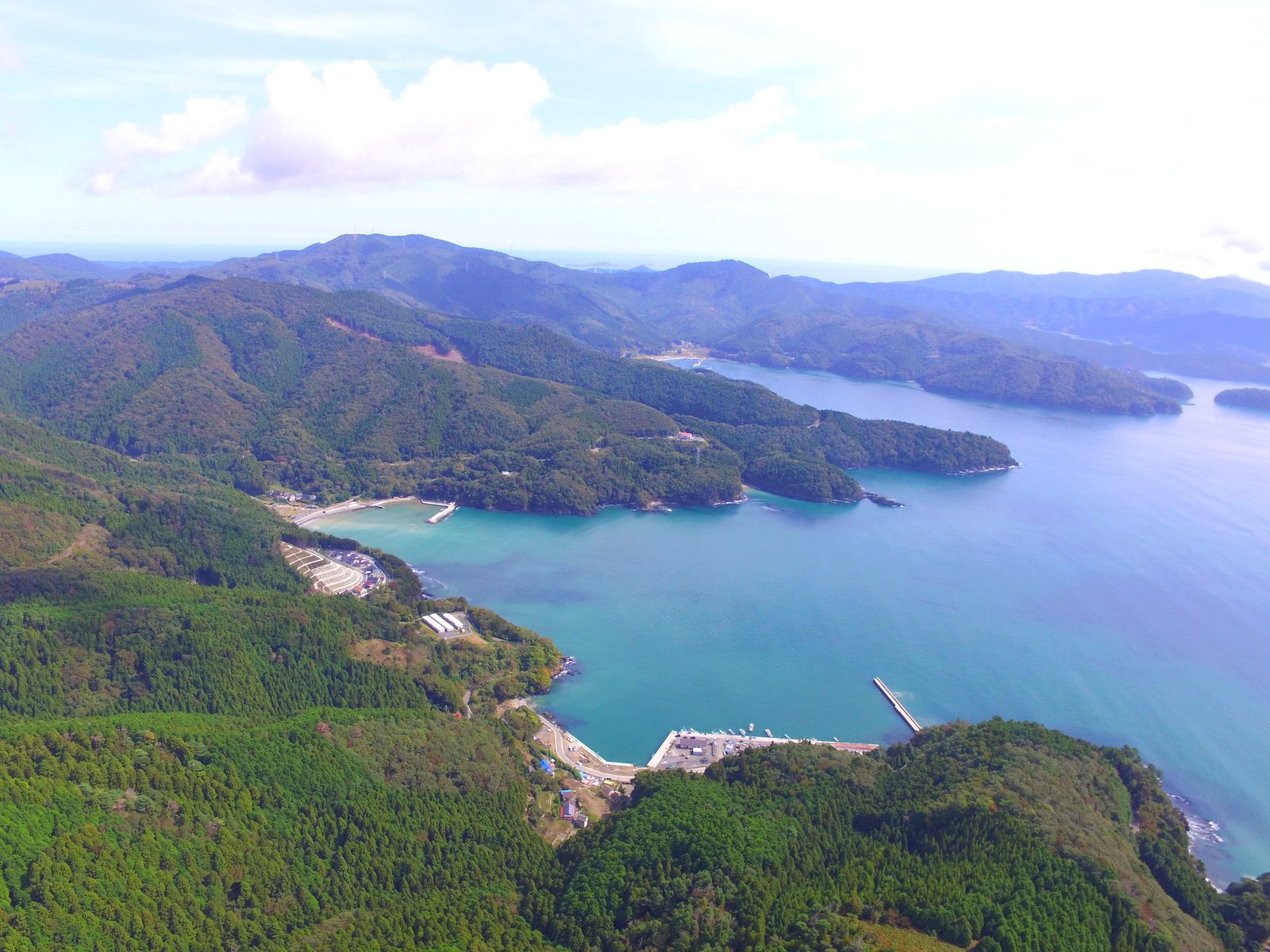
satoyama-satoumi sustainability
Explore the interconnected worlds of forests, rivers, farms, oceans, and the communities that depend on them. Through encounters with local changemakers and hands-on fieldwork in coastal Japan, students examine sustainability through environmental, social, and economic perspectives—and rethink what it means for people and nature to thrive together.
THE TABIBITO LEARNING JOURNEY / Experiential learning model
The cycle runs every day and across the journey.
TABIBITO is designed around Kolb’s experiential learning cycle. Students encounter people and practices, reflect on what they notice, develop ideas from those experiences, and test them in what they do next.
01
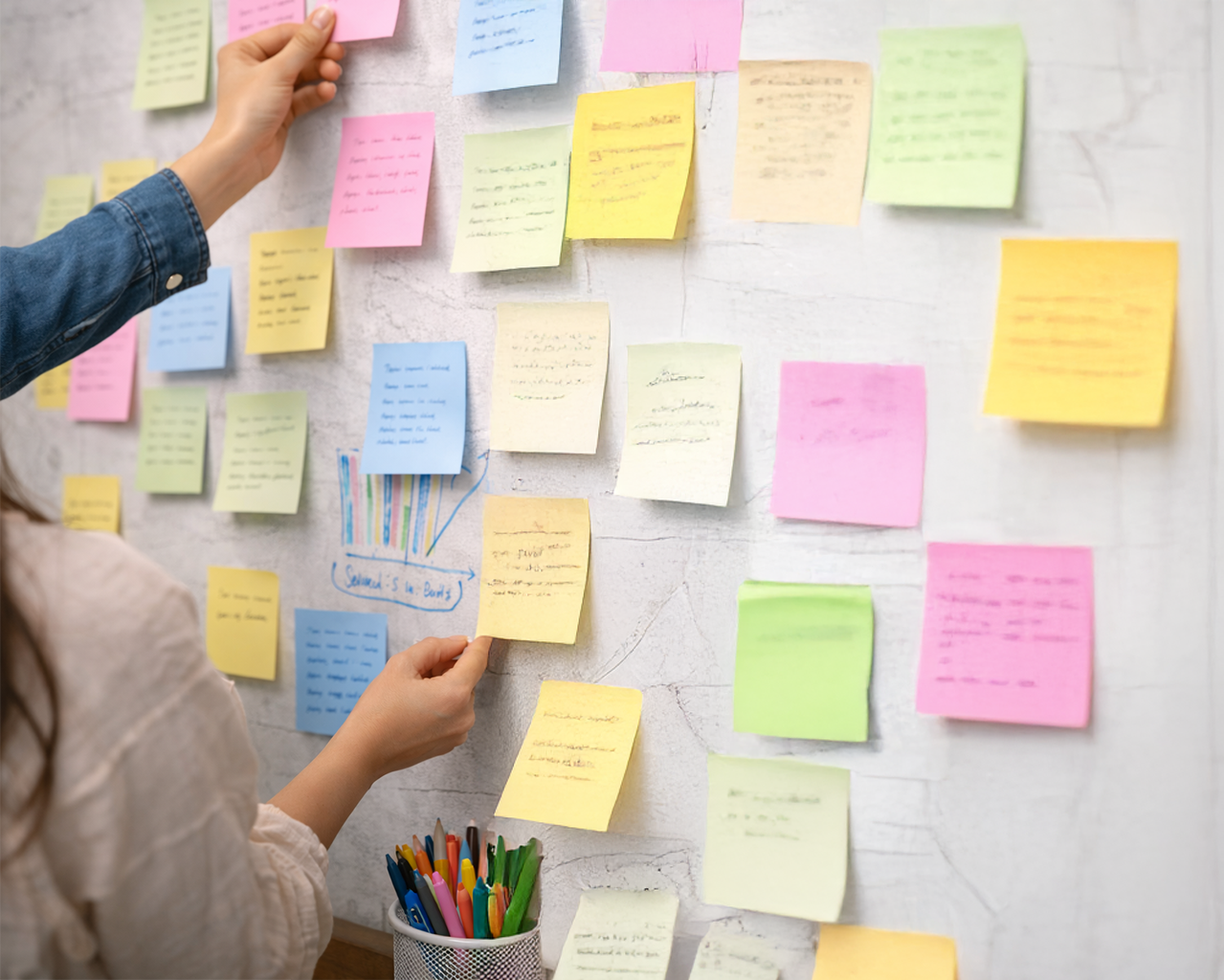
Question
Find a question worth carrying.
02
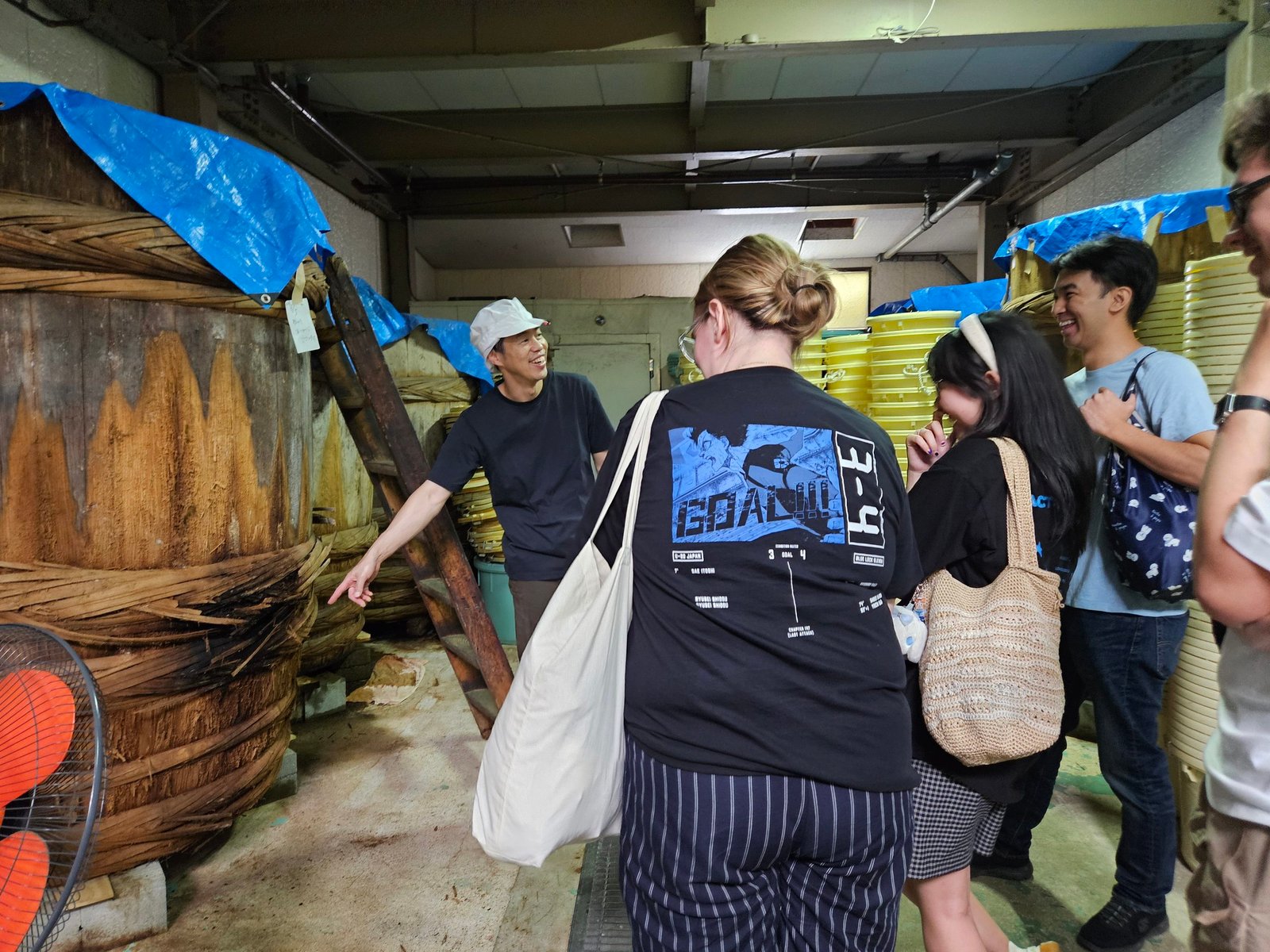
Encounter
Meet people, places, and practices.
What can I learn from this person?
03
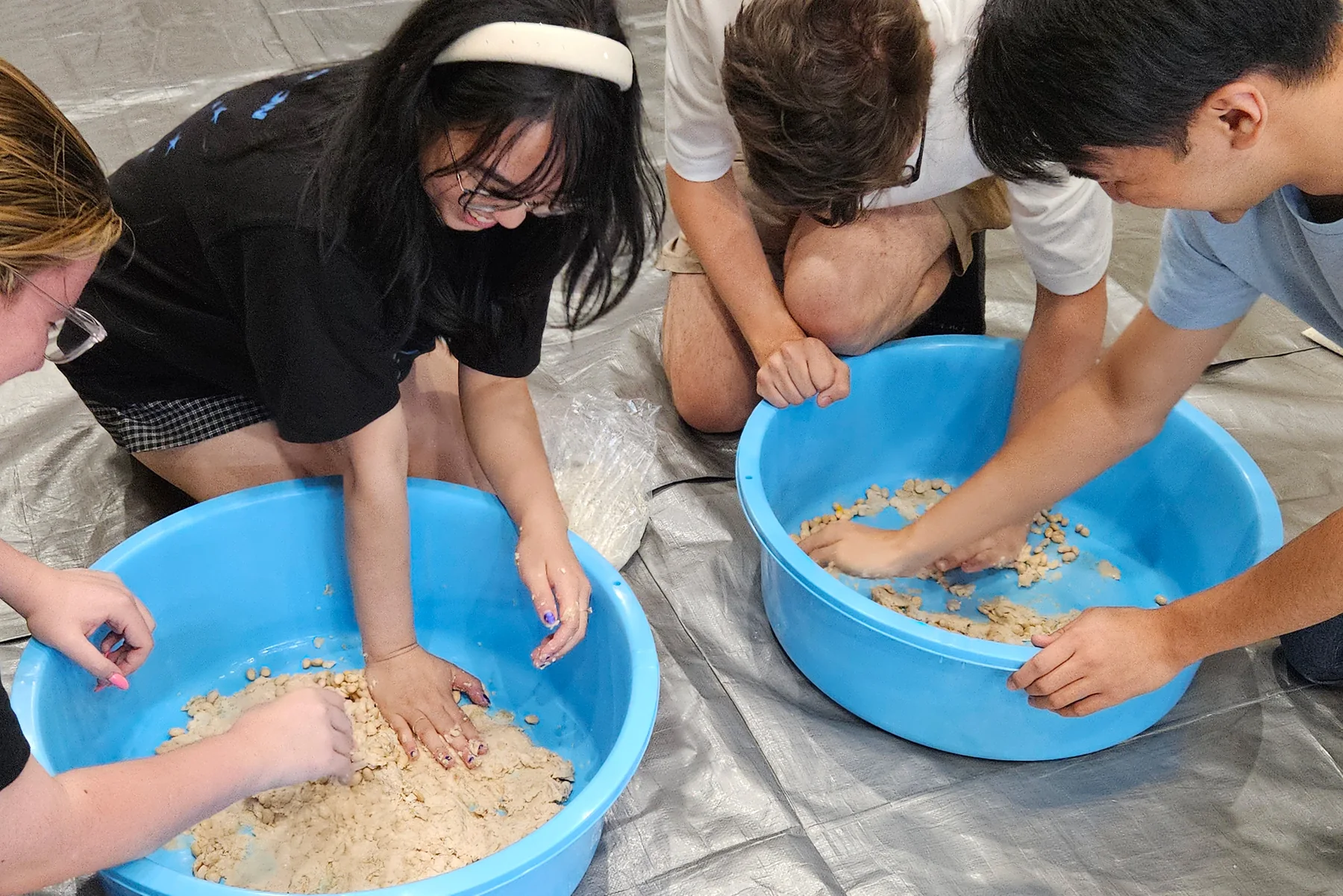
Practice
Try, make, and participate.
What happens when I try?

04
Reflection
Notice what changed and why.
05
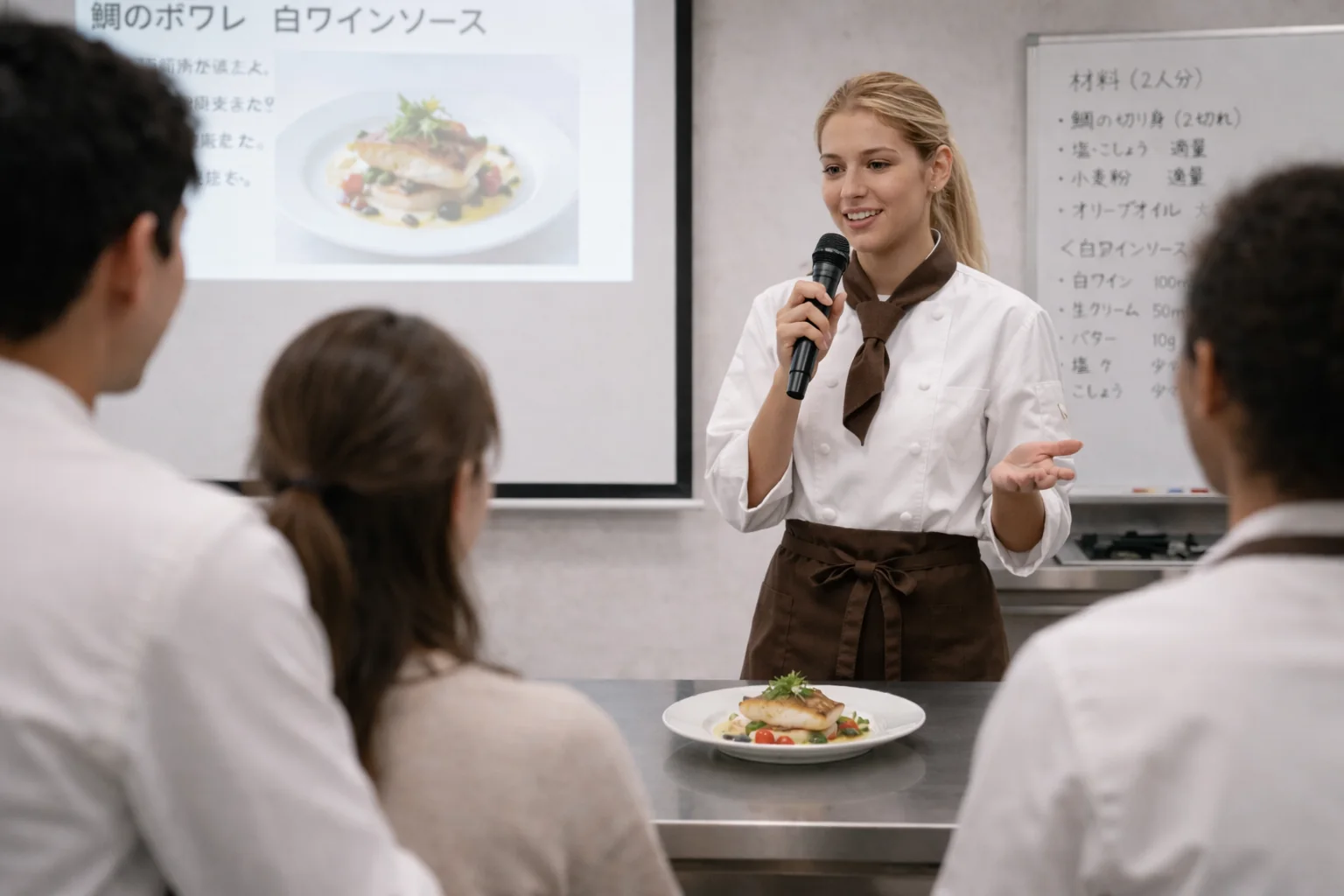
Meaning
Give experience a place in your own thinking.
How has my way of seeing changed?
Reflection changes the next encounter.
An evening insight becomes the next day’s question or choice. The cycle also runs across the whole journey, as students connect encounters and bring them into a final expression.
From day to day
Encounter a practice. Reflect that evening. Form a question or hypothesis. Try it in the next day’s observation, dialogue, or making.
Across the program
Compare encounters and connect ideas over several days. Bring them into a final expression – for example, a dish and an explanation of the choices behind it in Culinary.
DESIGNING FOR QUALITY
What gives an experience educational depth?
Our design lens draws on the quality elements discussed in NSSE’s research on high-impact practices: engagement across difference, substantive feedback, reflection and integration, real-world application, and making learning visible.
Dialogue across difference
Hear how others frame a question and make a decision.
Feedback and reflection
Use observation, discussion, and feedback to reconsider an idea.
Application and expression
Bring learning into a practical choice, a creation, or an explanation.
PLAN WITH US
Start with what you want students to explore.
Learning goals
Your curriculum, student context, central questions, and intended evidence of learning.
Program design
The encounters, practical activities, reflection, and final expression that fit those goals.
Delivery and support
Timing, group size, language needs, facilitator roles, and responsibilities agreed with your institution.
LEARNING DESIGN REFERENCES
What question could open your next journey?
Tell us about your students, your goals, and the questions you’d like to explore.